Complete Guide to Routine Blood Tests: What Every Family in Gwalior Needs to Know Before Testing
When a doctor writes a routine blood investigation on a prescription slip, patients often ask: “Why do I need these tests if I feel mostly fine?”

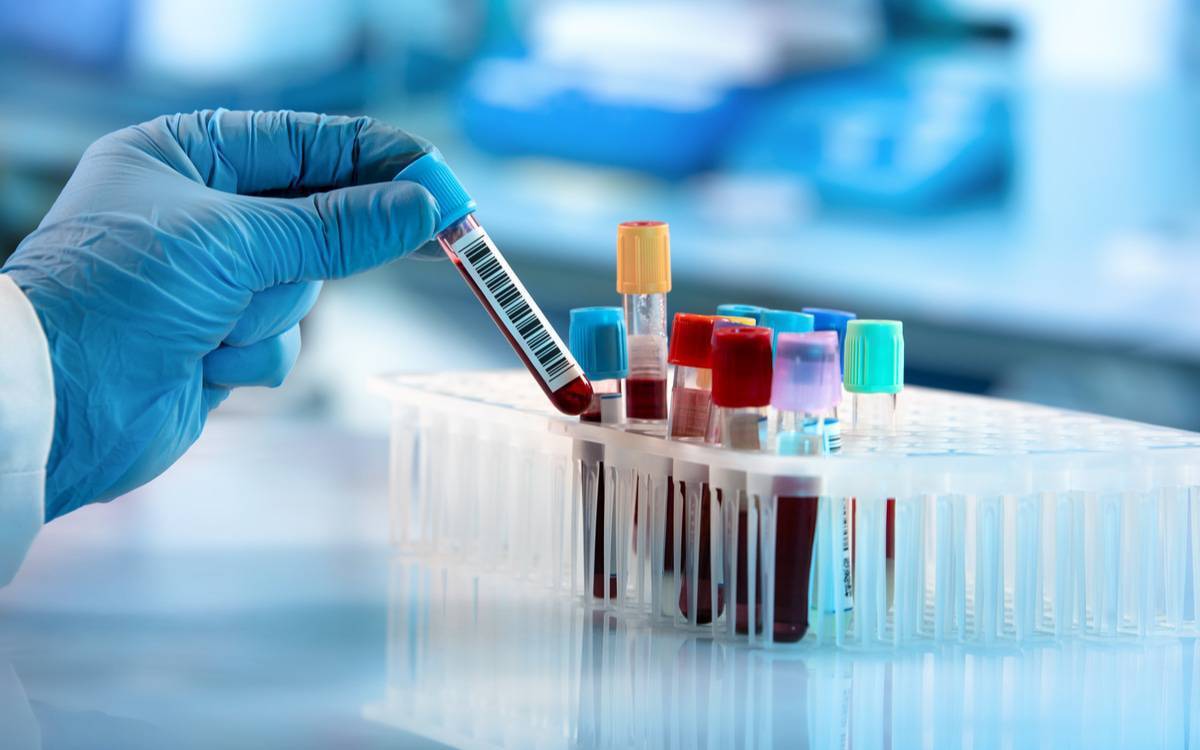
In preventive medicine, routine pathology testing is not just about diagnosing an active illness—it is about establishing your personal biological baseline. Subtle physiological shifts, such as early insulin resistance, borderline lipid abnormalities, or gradual drops in hemoglobin, rarely present acute symptoms in their early stages.
Understanding what these standard tests measure and how to prepare for them ensures your laboratory results are accurate, reproducible, and clinically useful.
1. The Core Diagnostic Panel: What Standard Tests Actually Measure Complete Blood Count (CBC) The Complete Blood Count evaluates the cellular components of your blood: Hemoglobin & Red Blood Cell (RBC) Indices: Assesses oxygen-carrying capacity and screens for nutritional anemias (iron, vitamin B12, or folate deficiency). White Blood Cell (WBC) Count & Differential: Highlights active bacterial or viral infections, systemic inflammation, or allergic reactions. Platelet Count: Critical for blood clotting evaluation, especially during seasonal infectious diseases such as dengue or viral fevers. Fasting Blood Glucose & HbA1c Fasting Blood Sugar (FBS): Provides a direct snapshot of plasma glucose after an overnight fast. HbA1c (Glycated Hemoglobin): Measures the average percentage of blood sugar bound to hemoglobin over the preceding 90 days. Unlike daily finger-prick readings, HbA1c is independent of short-term dietary fluctuations, making it the benchmark for screening prediabetes and managing type 2 diabetes.
Lipid Profile Evaluates circulatory cardiovascular risk by breaking down circulating fats: Total Cholesterol & Triglycerides Low-Density Lipoprotein (LDL): The primary marker evaluated for arterial plaque risk. High-Density Lipoprotein (HDL): Protective cholesterol that transports lipids back to the liver. Liver Function Tests (LFT) & Kidney Function Tests (KFT) LFT (Bilirubin, SGOT/AST, SGPT/ALT, Alkaline Phosphatase): Detects hepatic strain, sluggish bile flow, or medication-induced liver stress. KFT (Serum Creatinine, Blood Urea Nitrogen, Uric Acid): Measures the filtration efficiency of the kidneys. Creatinine levels combined with age and gender provide an estimated Glomerular Filtration Rate (eGFR).
2. Pre-Analytical Precautions: How to Prepare for Accurate Sample Collection Over 70% of clinical errors in medical diagnostics occur in the pre-analytical phase—before the sample is even loaded into an automated analyzer. Following these basic clinical protocols preserves specimen integrity: Observe Fasting Time Frames: Lipid & Fasting Glucose: Requires 10 to 12 hours of overnight fasting. Water Consumption: Plain water is permitted and encouraged; mild dehydration can artificially concentrate serum proteins and alter hematocrit readings. Avoid Morning Tea or Coffee: Even black tea or unsweetened coffee stimulates hepatic enzymes and alters gastric motility. Medication Timing: Continue essential chronic prescriptions (such as blood pressure medication) with a sip of water unless specifically instructed otherwise by your treating physician. Thyroid medication should typically be taken after morning blood collection. Rest Before Phlebotomy: Avoid strenuous workouts right before sample collection. High-intensity exercise temporarily alters muscle enzyme markers (such as CPK and AST) and elevates transient platelet aggregation.
3. Why Pathologist Supervision Matters in Clinical Diagnostics Automated biochemistry and hematology analyzers process samples efficiently, but diagnostic interpretation requires human medical oversight. When a clinical laboratory operates under the direction of an MD Pathologist, critical safety and quality protocols are maintained: Microscopic Peripheral Blood Smear (PBS) Review: If an automated cell counter flags atypical cells, platelet clumping, or unusual red cell morphology, a pathologist manually reviews the slide under high-power microscopy to confirm or rule out hematological disorders. Internal Quality Control (IQC): Daily multi-level control runs ensure that reagents, calibration curves, and analytical machinery maintain clinical precision without drift.
Clinical Correlation: Unusual or critical values (such as severe thrombocytopenia or dangerously elevated potassium) are cross-checked against clinical history before reports are validated and released. Dedicated Diagnostic Services in Vinay Nagar, Gwalior Routine screenings should be straightforward, scientifically rigorous, and accessible.
At Mumbai Elite Diagnostics & Clinic, diagnostic investigations and general outpatient consultations are led by Dr. Anubhuti Jain (MBBS, MD Pathology). From automated routine hematology to preventive metabolic screenings, samples are processed under strict quality control protocols with timely, validated digital reports. Location: Sector 3, Main Fort Road, Vinay Nagar, Gwalior, Madhya Pradesh Hours: Monday to Saturday: 8:00 AM – 10:00 PM | Sunday: 8:00 AM – 5:00 PM Direct Enquiries & Appointments: +91 88713 30339
Confused About Your Blood Reports or Dengue CBC?
Get your lab reports and CBC trends reviewed directly by Dr. Anubhuti Jain (MD Pathology, NUS Observer). Secure, private, and returned with a clinician’s interpretation — not just a lab reading.
Need a Dengue Profile or CBC Test in Gwalior?
Book home sample collection across Vinay Nagar, Lashkar, City Centre, Thatipur, and Morar — or visit our Vinay Nagar centre. Reports are personally reviewed by a Gold Medalist pathologist.